In vitro fertilization (IVF) has revolutionized fertility care, offering hope to countless couples struggling to conceive. Infertility is more common than many realize – about 1 in 6 people of reproductive age worldwide experience infertility. For those facing this challenge, IVF treatment provides a proven, medically advanced path to parenthood. Over the past four decades, IVF has helped bring over 10 million babies into the world, making it one of the most successful fertility treatments available.
Couples in India, including cities like Jaipur, are increasingly turning to IVF as a beacon of hope. IVF is not experimental or new – it’s a trusted procedure with a strong track record, used globally and across India’s top fertility centers. This article outlines the Advantages of IVF Treatment in a clear, concise manner, especially for couples exploring fertility options. We’ll cover the top 10 benefits of IVF, from its high success rates to the flexibility it offers in growing your family. Short paragraphs and bullet points are used for easy reading.
Need an Appointment?
CLICK HEREBefore we dive into details, the table below provides a quick summary of the 10 key advantages of IVF treatment:
Advantage of IVF Treatment | Description |
1. Most Effective Fertility Treatment | IVF offers the highest success rates for pregnancy, giving hope when other methods have failed. |
2. Suitable for Various Infertility Issues | Helps overcome female and male infertility causes (blocked tubes, low sperm count, etc.). |
3. Family Option for All (Inclusive IVF) | Enables single women, same-sex couples, and use of surrogates to have children via IVF. |
4. Donor Eggs and Sperm Expand Possibilities | Donor egg/sperm can be used if needed, allowing conception despite low egg or sperm supply. |
5. Preimplantation Genetic Testing (PGT) | Embryos can be screened for genetic issues, helping ensure a healthy baby and reducing miscarriage risk. |
6. High IVF Success Rates | As the top ART method, IVF boasts higher pregnancy rates per cycle than other treatments. |
7. Control Over Timing (Career & Family Planning) | IVF allows egg/embryo freezing, so you can plan pregnancy at the ideal time without declining fertility. |
8. Use of Frozen Embryos for Future | Extra embryos from one cycle can be frozen for later use – useful if the first cycle fails or for a second child. |
9. Insight into Fertility Issues | IVF procedures can sometimes uncover underlying fertility problems, guiding further treatment. |
10. Safe and Proven Track Record | 40+ years of IVF use worldwide with continual advances; a well-studied, generally safe procedure. |
Now, let’s explore each of these IVF advantages in detail and see how they can benefit couples on the path to parenthood.
1. IVF Offers Hope When Other Methods Fail
IVF is often recommended when simpler fertility treatments such as medications or IUI do not result in pregnancy. It is especially effective in cases of blocked fallopian tubes, advanced maternal age, severe male infertility, or repeated treatment failure. By fertilizing the egg and sperm in a controlled laboratory environment and transferring the healthiest embryo into the uterus, IVF bypasses many natural barriers to conception.
For couples who have been trying for years without success, IVF provides a scientifically proven solution backed by expert medical evaluation. Fertility specialists tailor IVF protocols based on individual infertility causes, making it a reliable option even in complex or long-standing cases.
2. High Success Rates for Conception
One of the key advantages of IVF treatment is its higher success rate compared to other fertility methods. IVF consistently offers better pregnancy outcomes per cycle, particularly for women under 35, and modern techniques have significantly improved results for older women as well.
Additionally, IVF success is cumulative—meaning the chances of pregnancy increase over multiple cycles. With advanced laboratory support and experienced fertility specialists, IVF remains the most effective treatment for maximizing the likelihood of conception in couples facing infertility.
Need an Appointment?
CLICK HERE3. Addresses a Wide Range of Infertility Issues
IVF is a highly adaptable treatment capable of addressing both female and male infertility causes. This versatility makes it an essential solution for couples facing complex or multiple fertility challenges.
IVF is commonly recommended for:
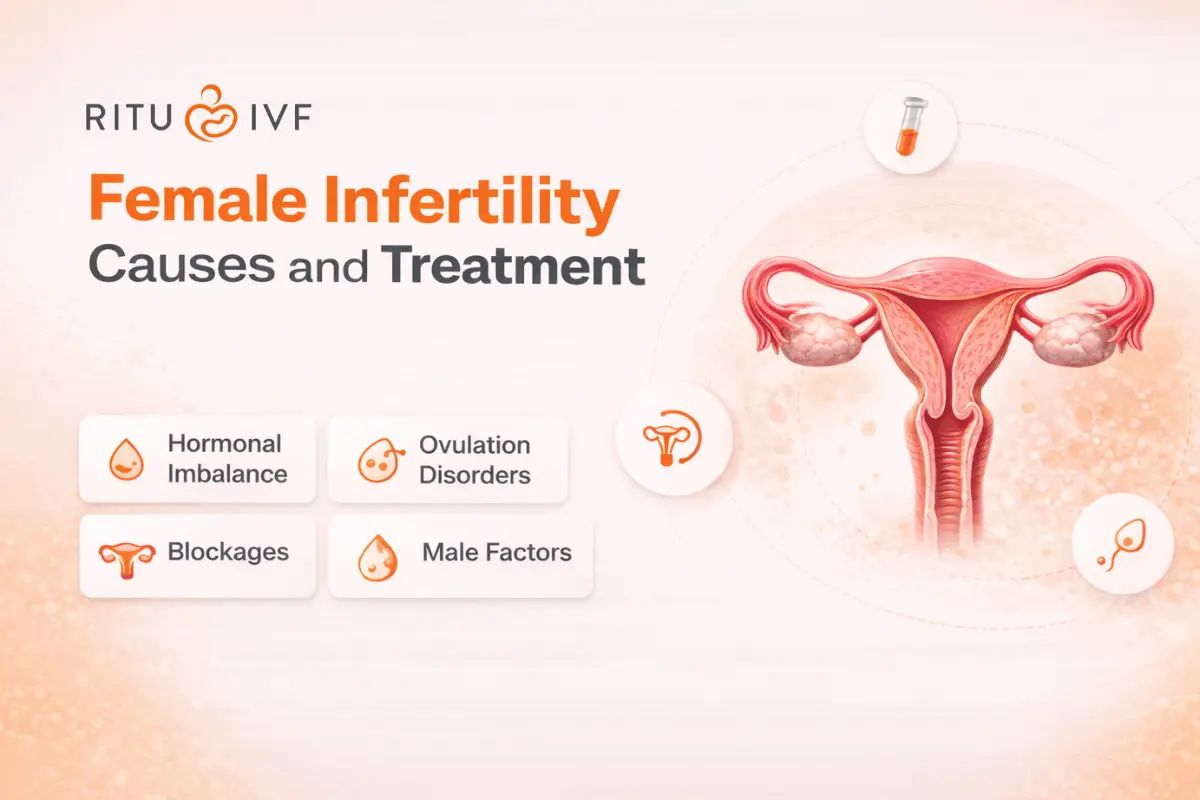
Tubal factor infertility: When fallopian tubes are blocked or damaged, IVF bypasses the tubes entirely by fertilizing the egg outside the body.
Ovulation disorders: Conditions such as PCOS or irregular ovulation can be managed through controlled ovarian stimulation and egg retrieval.
Endometriosis: IVF improves the chances of conception by overcoming issues related to egg quality or pelvic adhesions.
Male factor infertility: Low sperm count, poor motility, or abnormal sperm structure can be effectively managed using IVF with ICSI (Intracytoplasmic Sperm Injection).
Unexplained infertility: IVF often succeeds when no clear cause is identified and can reveal hidden fertilization or embryo development issues.
By combining advanced laboratory techniques with personalized medical protocols, IVF addresses infertility causes that other treatments cannot. This adaptability makes it a cornerstone of modern fertility care.
4. Inclusive Family-Building Options
IVF supports diverse family structures and reproductive needs, extending parenthood opportunities beyond traditional couples. This inclusivity reflects both medical advancement and ethical responsibility.
IVF enables:
Single women to conceive using donor sperm or preserve fertility through egg freezing
Same-sex couples to build families using donor gametes, reciprocal IVF, or surrogacy
Couples requiring surrogacy due to medical conditions affecting pregnancy
All IVF-based family-building options are guided by strict ethical standards, medical screening, and legal frameworks to protect intended parents, donors, and surrogates. IVF empowers individuals and couples to pursue parenthood regardless of marital status or biological limitations.
5. Donor Eggs and Donor Sperm Expand Possibilities
IVF with donor eggs or sperm provides a highly effective solution when a patient’s own gametes are not viable. This option is particularly beneficial for women with diminished ovarian reserve, premature ovarian failure, or genetic concerns, as well as men with severe sperm-related infertility.
Using donor eggs significantly improves pregnancy success rates, especially for women over 40. Donor sperm IVF also enables conception for single women, same-sex couples, and men with non-obstructive azoospermia. Fertility specialists carefully screen donors and guide patients through ethical, legal, and medical considerations to ensure safety and transparency.
Donor-assisted IVF allows many couples to experience pregnancy and childbirth despite biological limitations, transforming previously untreatable infertility cases into successful outcomes.
Need an Appointment?
CLICK HERE6. Preimplantation Genetic Testing for Healthier Outcomes
IVF uniquely allows preimplantation genetic testing (PGT), which helps identify chromosomal or genetic abnormalities before pregnancy begins. This advanced screening improves both safety and success rates.
Key benefits include:
Reduced risk of miscarriage
Lower likelihood of inherited genetic disorders
Higher chances of a healthy, full-term pregnancy
PGT is especially valuable for couples with recurrent pregnancy loss, advanced maternal age, or known genetic conditions. By selecting genetically healthy embryos, IVF shifts the focus from simply achieving pregnancy to ensuring long-term child health.
7. Control Over Timing and Family Planning
IVF provides unmatched flexibility in reproductive planning, allowing individuals and couples to align parenthood with personal, professional, and medical goals.
Through egg freezing and embryo freezing, fertility can be preserved during peak reproductive years and used later when conditions are more favorable. IVF also allows planned embryo transfers, helping reduce stress and improve treatment outcomes.
This control over timing is particularly beneficial for women balancing careers, couples undergoing medical treatments, or families planning future siblings.
8. Frozen Embryos for Future Pregnancies
One IVF cycle often produces multiple viable embryos, which can be safely frozen for future use. This offers:
Higher cumulative pregnancy success
Reduced cost and physical burden for future attempts
Convenient planning for additional children
Frozen embryo transfer is a well-established, effective process that supports long-term family planning while minimizing repeated medical procedures.
9. Valuable Insight into Fertility Health
Beyond treatment, IVF serves as a diagnostic tool that helps uncover underlying fertility issues. Observing fertilization, embryo development, and implantation responses provides crucial information that routine tests may miss.
This insight enables fertility specialists to refine treatment strategies, recommend supportive therapies, or guide patients toward donor options when appropriate. Even unsuccessful IVF cycles contribute valuable knowledge that improves future outcomes.
10. Safe, Proven Treatment with Continuous Improvements
IVF has been in use for over 40 years, and it has a well-documented record of safety and success. This history and ongoing improvement provide reassurance that IVF is a trustworthy option. Here are some points highlighting the safety and credibility of IVF:
- Millions of Healthy Babies: Since the first IVF baby in 1978, over 10 million babies have been born via IVF worldwide. These children are as healthy as those conceived naturally. IVF babies have now grown up and even had children of their own, laying to rest many early concerns. Today, around 500,000 IVF babies are born each year globally – a testament to how mainstream and safe the treatment has become.
- Well-Regulated and Standardized: IVF clinics, especially in countries like India, follow strict protocols. In India, clinics are guided by ICMR and ART guidelines, and globally, organizations like ASRM (American Society for Reproductive Medicine) and HFEA (UK’s regulatory body) ensure practices are evidence-based and safe. Patients undergo thorough screenings and informed consent. All of this means IVF is carried out in a controlled, professional environment focused on minimizing risks.
- Generally Safe Procedure: While IVF is somewhat invasive (due to egg retrieval) and involves hormonal medications, it is generally very safe for the woman. Serious complications like Ovarian Hyperstimulation Syndrome (OHSS) or procedure-related issues are rare and usually avoidable with modern protocols. According to fertility experts, most people who undergo IVF experience no significant health problems during treatment. Of course, as with any pregnancy, there are risks to monitor (like multiple pregnancy or ectopic pregnancy), but IVF specialists are well-equipped to manage these. The use of single embryo transfer and refined stimulation protocols have made IVF safer than it was in early days.
- Continuous Technological Advances: IVF today is more successful and safer than it was even a decade ago. Techniques such as ICSI (for male infertility), improved culture media for embryos, time-lapse embryo monitoring, blastocyst-stage transfers, and PGT for genetics have all boosted IVF success rates and safety. Every year, research brings new innovations – for instance, artificial intelligence is being tested to select the best embryos, and scientists are improving ovarian stimulation to be gentler. This means that by the time you pursue IVF, you’re benefiting from the latest and greatest practices that have been refined through research.
- Authoritative Endorsement: IVF is recommended by doctors worldwide for appropriate cases of infertility. It’s not an experimental or fringe procedure; it’s a standard-of-care treatment when indicated. For example, HFEA states IVF is “one of the most commonly used and successful treatments available” for infertility. Such endorsements from health authorities underline the trustworthiness of IVF as a medical treatment.
Finally, the trust factor: Choosing IVF means placing your hopes in a well-established medical science. Couples often take comfort in the knowledge that they are doing everything possible, under expert care, with decades of collective experience behind it. In Jaipur and across India, reputable IVF centers like Ritu IVF adhere to high standards of quality and care, further ensuring that patients are in safe hands throughout the process.
When considering IVF, it’s normal to have concerns about injections, procedures, or side effects. However, the safety record and success of IVF over the years should give confidence. Discuss any worries with your fertility specialist – part of the IVF journey is understanding the process and being supported at every step. With compassion and professionalism, clinics strive to make IVF as comfortable as possible. In short, IVF is a trusted, medically proven treatment that has enabled millions of families to have healthy children, and its advantages continue to grow as science advances.
Need an Appointment?
CLICK HEREConclusion
In conclusion, IVF treatment offers numerous advantages for those struggling to conceive. It stands out as the most effective fertility treatment, capable of addressing varied infertility issues and helping where other methods fail. From utilizing donor eggs or sperm to enabling single parents and same-sex couples to have children, IVF opens doors that were once closed to many. The ability to screen embryos for health, control the timing of pregnancy, and even use frozen embryos later gives couples an unprecedented level of control and optimism in their family-building journey. Crucially, IVF is backed by decades of successful outcomes and medical expertise, making it a trustworthy and safe option for achieving a healthy pregnancy.
For couples in India – including here in Jaipur – who are exploring fertility options, IVF provides a ray of hope. It’s normal to feel overwhelmed or hesitant, but remember that IVF is a medically proven treatment with high success rates and continually improving techniques. The first step is to consult with an experienced fertility specialist who can evaluate your situation and guide you through the process. They will provide personalized advice, whether it’s trying IVF or perhaps simpler options first, based on what’s best for you.
At the end of the day, the biggest advantage of IVF is that it can turn the dream of parenthood into reality. If you have been trying to conceive without success, consider reaching out for professional help. Don’t lose hope – with modern IVF treatments and expert care, thousands of couples are overcoming infertility each year and welcoming healthy babies into their families. You could be next.