Experiencing black color stool during pregnancy after IVF can be concerning for expectant mothers who have worked so hard to achieve their pregnancy. While this symptom may seem alarming, it’s often a harmless side effect of prenatal vitamins or iron supplements. However, understanding the causes and knowing when to seek medical attention is crucial for your peace of mind and your baby’s health.
At Ritu IVF, we understand that pregnancy after IVF treatment comes with heightened awareness and concern about every bodily change. This comprehensive guide will help you understand everything about black stool during pregnancy, including its causes, treatment options, and warning signs that require immediate medical attention.
Need an Appointment?
CLICK HEREWhat Does Black Stool During Pregnancy Mean?
Black stool, also known as melena when it’s tarry and sticky, refers to bowel movements that appear dark brown to black in color. The medical term for this condition is “black color stool during pregnancy,” and it can occur at any stage of your pregnancy journey, including after successful IVF treatment.
Normal vs. Concerning Black Stool:
- Normal: Caused by iron supplements, certain foods, or medications
- Concerning: Accompanied by other symptoms like dizziness, weakness, or abdominal pain
According to gastroenterology research, approximately 40-60% of pregnant women taking iron supplements experience darker stools, making it one of the most common pregnancy-related digestive changes.
Common Causes of Black Color Stool During Pregnancy After IVF
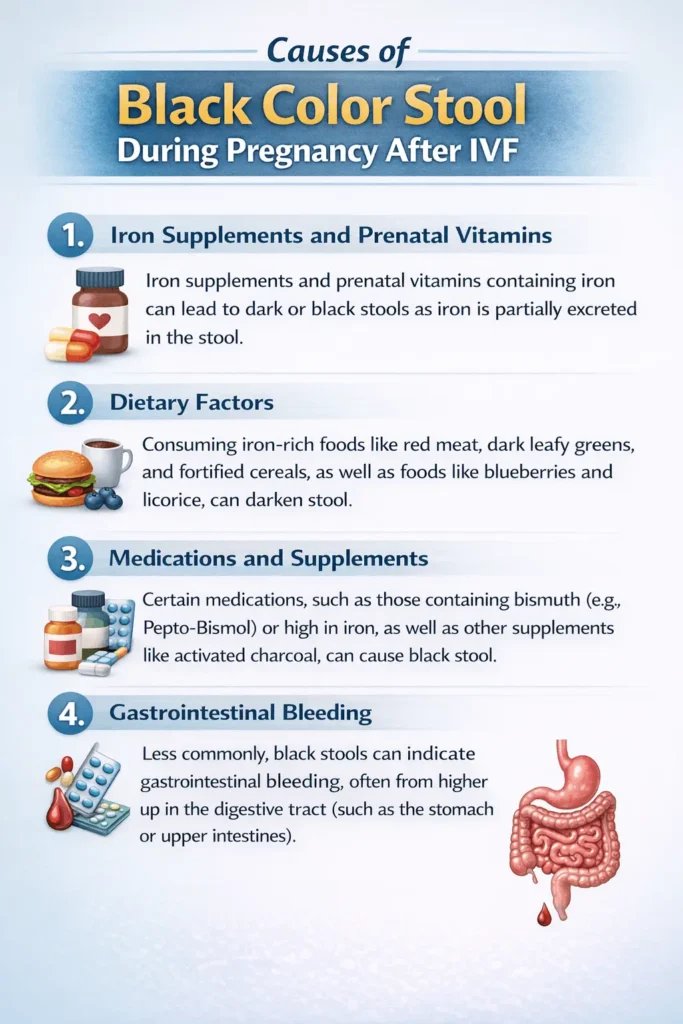
1. Iron Supplements and Prenatal Vitamins
The most common cause of black stool during pregnancy is iron supplementation. After IVF treatment, doctors typically prescribe:
- Prenatal vitamins containing 27-30 mg of iron
- Additional iron supplements if you’re anemic (60-120 mg daily)
- Progesterone support medications that may affect digestion
When your body doesn’t absorb all the iron from supplements, the excess iron oxidizes in your digestive tract, turning your stool dark green, brown, or black. This is completely normal and harmless.
Why IVF Patients Are More Prone:
- Higher doses of hormonal medications affect digestion
- Increased stress can impact gut health
- More frequent vitamin supplementation post-IVF
- Bed rest recommendations may slow digestion
2. Dietary Factors
Certain foods can naturally darken your stool during pregnancy:
Common Culprits:
- Dark leafy greens: Spinach, kale, collard greens
- Blueberries and blackberries: High in dark pigments
- Black licorice: Contains compounds that darken stool
- Dark chocolate: Especially in large quantities
- Beetroot: Can cause dark reddish-black stool
- Blood pudding or liver: High in iron content
If you’ve consumed these foods within 24-48 hours, they could be the reason for your black colour stool during pregnancy.
3. Medications and Supplements
Beyond iron, several medications prescribed during IVF and pregnancy can cause black stool:
Common Medications:
- Bismuth subsalicylate (Pepto-Bismol)
- Activated charcoal supplements
- Some antibiotics (prescribed for IVF-related infections)
- Progesterone supplements (can slow digestion)
- Antacids containing iron
Always inform your fertility specialist about all medications you’re taking to rule out interactions.
4. Gastrointestinal Bleeding (Requires Medical Attention)
While less common, black stool during pregnancy second trimester or third trimester could indicate upper gastrointestinal bleeding from:
- Gastric ulcers: Increased stress during pregnancy
- Esophageal varices: Rare but serious
- Gastritis: Inflammation of stomach lining
- Mallory-Weiss tears: From severe morning sickness
Red Flag Symptoms:
- Tarry, sticky, foul-smelling black stool
- Accompanied by dizziness or fainting
- Severe abdominal pain or cramping
- Vomiting blood or coffee-ground material
- Rapid heartbeat or shortness of breath
If you experience these symptoms with your black stool during pregnancy third trimester, contact Ritu IVF or your healthcare provider immediately.
Need an Appointment?
CLICK HEREBlack Stool During Different Pregnancy Stages After IVF
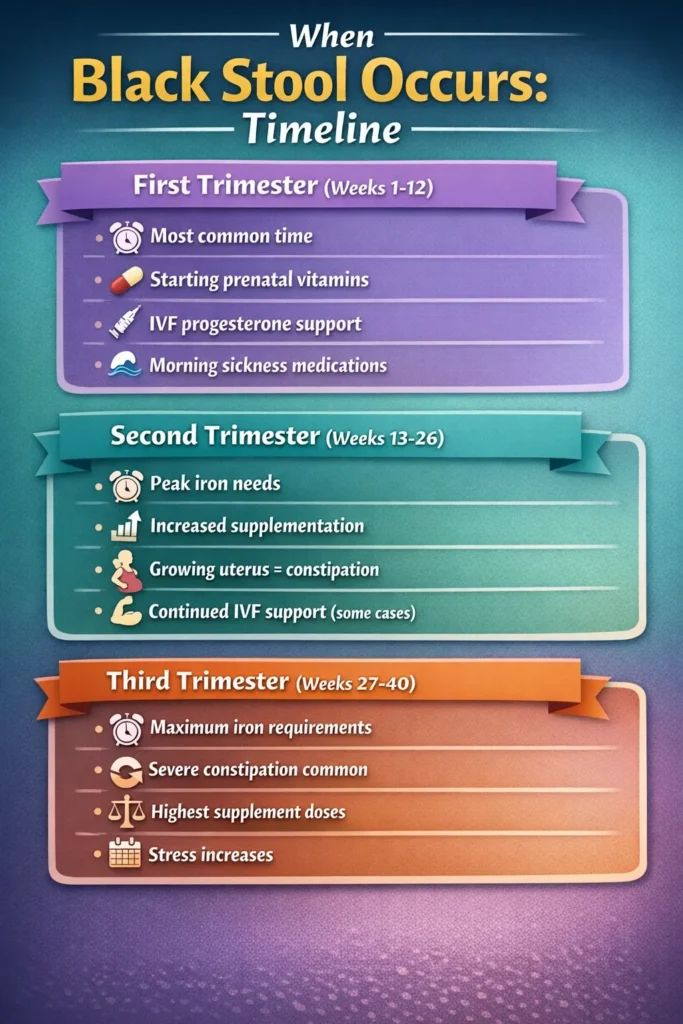
First Trimester (Weeks 1-12)
Black stool during pregnancy in the first trimester is usually related to:
- Starting prenatal vitamins immediately after IVF confirmation
- Progesterone supplementation affecting digestion
- Morning sickness medications containing bismuth
- Hormonal changes slowing bowel movements
What to Expect: After IVF success, your doctor will prescribe comprehensive prenatal care including high-dose supplements, making dark stool very common in early pregnancy.
Second Trimester (Weeks 13-26)
Black stool during pregnancy second trimester often occurs due to:
- Continued iron supplementation for anemia prevention
- Increased nutritional requirements
- Constipation from growing uterus pressure
- Dietary changes for fetal development
IVF-Specific Considerations: Many IVF patients continue progesterone support into the second trimester, which can further slow digestion and contribute to darker stool color.
Third Trimester (Weeks 27-40)
Black stool during pregnancy third trimester may be caused by:
- Maximum iron requirements (27-30 mg daily)
- Severe constipation from uterine pressure
- Hemorrhoids causing minor bleeding mixed with iron
- Increased stress as delivery approaches
When to Worry: In the third trimester, black stool accompanied by severe pain, bleeding, or contractions requires immediate medical evaluation at Ritu IVF or your nearest hospital.
Is Black Color Stool During Pregnancy After IVF Dangerous?
In most cases, black color stool during pregnancy after IVF is not dangerous when caused by:
✅ Iron supplements or prenatal vitamins
✅ Dietary factors like dark leafy vegetables
✅ Harmless medications like bismuth
Diagnosis: How Doctors Identify the Cause
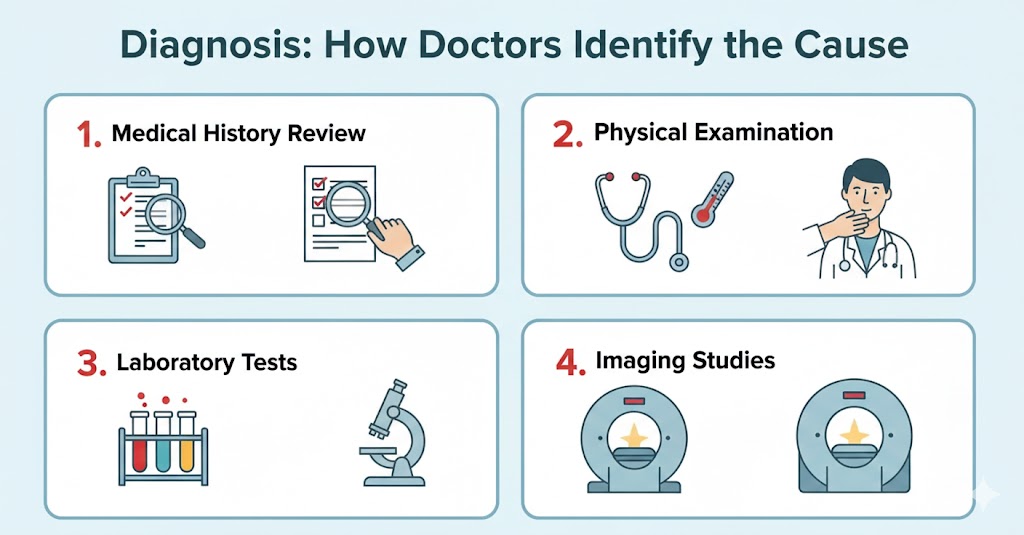
When you visit Ritu IVF with concerns about black stool during pregnancy, your doctor will conduct:
1. Medical History Review
- Medications and supplements you’re taking
- Dietary habits and recent food intake
- IVF treatment protocol and medications
- Previous digestive issues or ulcers
2. Physical Examination
- Abdominal palpation for tenderness
- Blood pressure and heart rate check
- Skin color assessment for anemia
- Digital rectal exam if necessary
3. Laboratory Tests
- Complete Blood Count (CBC): Check for anemia
- Stool Analysis: Detect hidden blood (occult blood test)
- Iron Levels: Assess absorption and deficiency
- Liver Function Tests: Rule out liver issues
4. Imaging Studies (If Required)
- Upper Endoscopy: Examine stomach and esophagus
- Ultrasound: Safe during pregnancy to check organs
- MRI: If serious complications suspected
At Ritu IVF, we prioritize safe, pregnancy-appropriate diagnostic methods to ensure accurate diagnosis without risking your baby’s health.
Need an Appointment?
CLICK HERETreatment Options for Black Stool During Pregnancy
For Iron-Related Black Stool (Most Common)
1. Adjust Iron Supplementation:
- Switch to lower-dose iron supplements (consult your doctor first)
- Take iron with vitamin C for better absorption
- Try slow-release iron formulations that are gentler
- Consider liquid iron supplements if pills cause issues
2. Dietary Modifications:
- Increase fiber intake (25-30 grams daily)
- Drink 8-10 glasses of water daily
- Eat prunes or figs for natural stool softening
- Include probiotics for gut health
3. Timing Adjustments:
- Take iron supplements with meals to reduce side effects
- Avoid taking iron with calcium or dairy products
- Split doses throughout the day for better absorption
Prevention Tips for Black Stool During Pregnancy After IVF
Proactive Measures:
1. Optimize Iron Intake:
- Take iron supplements every other day instead of daily (if approved by doctor)
- Choose chelated iron formulations for better absorption
- Monitor your iron levels regularly with blood tests
- Don’t exceed recommended dosage without medical advice
2. Support Digestive Health:
- Establish regular meal times to train your digestive system
- Chew food thoroughly to aid digestion
- Practice mindful eating without distractions
- Avoid lying down immediately after meals
3. Regular Monitoring:
- Keep a stool diary noting color, consistency, and associated symptoms
- Schedule regular prenatal checkups at Ritu IVF
- Report any concerning changes immediately
- Track your iron supplement intake and food diary
4. Stress Management:
- Practice prenatal meditation (10-15 minutes daily)
- Join IVF pregnancy support groups for emotional support
- Consider professional counseling if anxiety persists
- Engage in gentle exercises approved by your doctor
Need an Appointment?
CLICK HEREFAQs About Black Stool During Pregnancy After IVF
1. Is black color stool during pregnancy after IVF harmful to my baby?
No, when caused by iron supplements or dietary factors, black color stool during pregnancy after IVF is not harmful to your baby. The darkened stool is simply unabsorbed iron passing through your digestive system. However, if caused by internal bleeding, immediate medical attention is necessary to protect both mother and baby.
2. How long does black stool last during pregnancy?
Black stool during pregnancy typically lasts as long as you continue taking iron supplements. Most women experience dark stools throughout their pregnancy if they’re on consistent iron supplementation. The stool usually returns to normal color within 2-3 days after stopping iron supplements.
3. Can I stop taking iron supplements if I have black stool?
Never stop your prescribed supplements without consulting your doctor at Ritu IVF. Iron is crucial for preventing anemia during pregnancy, which can affect both maternal and fetal health. Your doctor may adjust the dosage or switch formulations, but discontinuation requires medical supervision.
4. Is black stool during pregnancy second trimester more dangerous?
Black stool during pregnancy second trimester is not inherently more dangerous than other trimesters. However, the second trimester is when iron requirements increase significantly, making supplement-related black stool more common. Always report persistent symptoms to your healthcare provider regardless of trimester.
5. What’s the difference between normal black stool and melena?
Normal black stool from iron supplements is:
- Moderately dark (brown-black)
- Formed and consistent
- No unusual odor
- No accompanying symptoms
Melena (concerning) is:
- Very dark, tarry, sticky
- Extremely foul-smelling
- Often accompanied by weakness, dizziness
- May indicate upper GI bleeding
7. Are there iron supplements that don’t cause black stool?
While most iron supplements cause some stool darkening, you can try:
- Ferrous bisglycinate: Gentler, better absorbed
- Liquid iron formulations: May cause less staining
- Lower-dose daily supplements: Reduce side effects
- Food-based iron sources: Complement supplements
Discuss alternatives with your Ritu IVF doctor before making changes.
8. Can stress from IVF treatment cause black stool?
Yes, indirectly. Stress can cause:
- Gastritis or ulcers: Leading to GI bleeding
- Changes in digestion: Affecting stool color
- Altered eating patterns: Impacting gut health
- Medication side effects: From stress-related treatments
Managing stress through counseling, meditation, and support groups is essential during IVF pregnancy.
9. What foods should I avoid if I have black stool during pregnancy?
Avoid or limit:
- High-iron foods combined with supplements: Can worsen dark stool
- Dark-colored foods: Make monitoring difficult (blueberries, licorice)
- Spicy or acidic foods: Can irritate digestive tract
- Processed foods: May worsen constipation
- Caffeinated beverages: Dehydrating effect
Focus on balanced, fiber-rich meals with adequate hydration.